
HOW DIRT RACING HELPS DRIVE NORTH CAROLINA’S MOTORSPORTS ECONOMY
When people think of North Carolina motorsports, stock car racing often comes to mind first. Understandably, the state is home to many of the sport’s leading teams, manufacturers, suppliers and racing facilities.
But North Carolina’s motorsports economy extends beyond any single racing series or style.
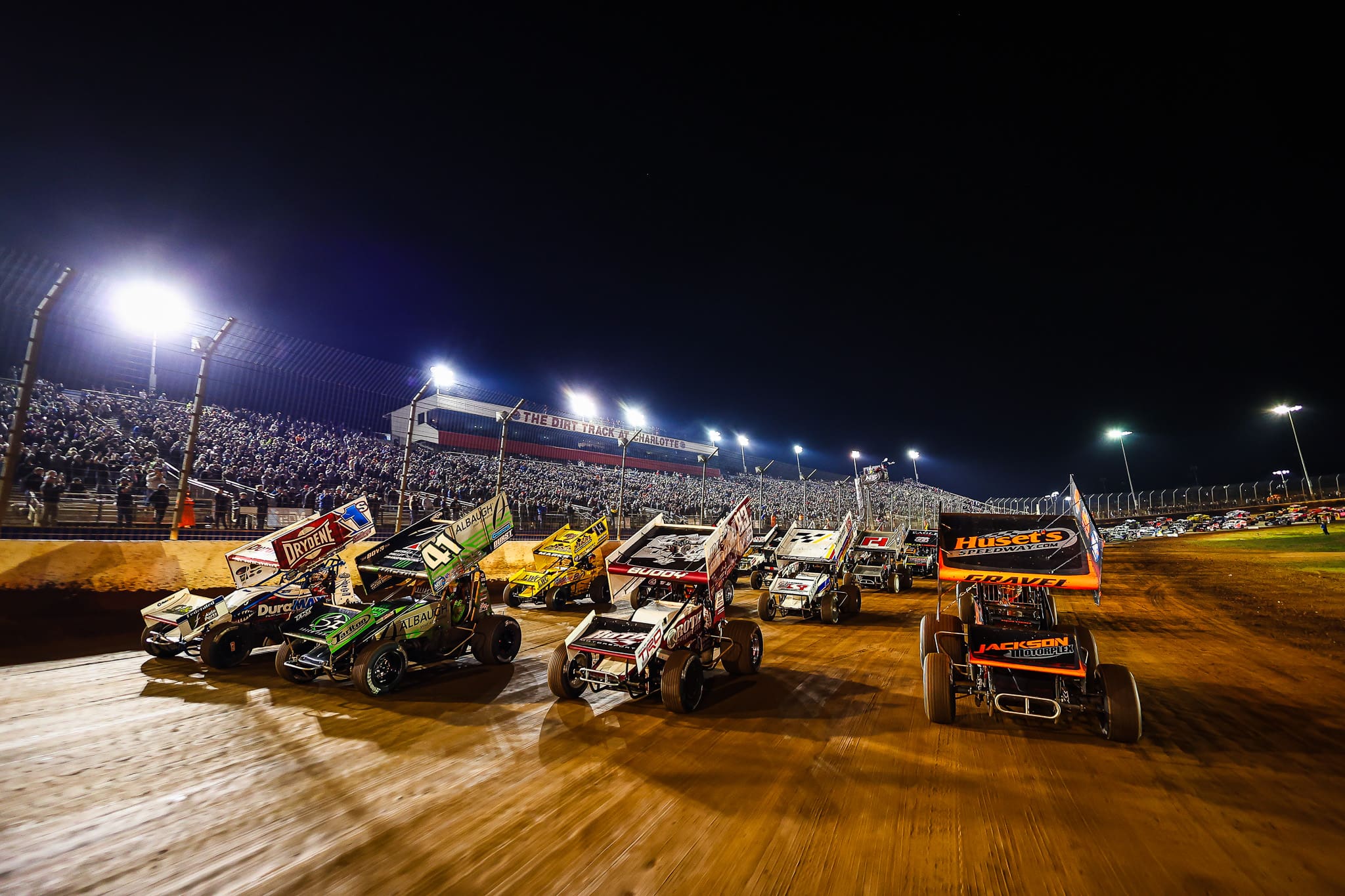
Over the next two weeks, that diversity will be on full display at The Dirt Track at Charlotte, where World Racing Group will bring two of dirt racing’s most significant annual events to Concord.
The World Short Track Championship, October 29–31, and the Dave Smith Motors World of Outlaws World Finals, November 4–7, attract competitors, teams, suppliers and fans from across the country.
Together, these events show how motorsports contributes to North Carolina’s economy, supporting tourism, business activity and an extensive network of specialized companies.
They also reinforce an important theme from the NC Chamber Foundation’s recent research into the state’s sports economy: North Carolina’s motorsports industry is more than a collection of sporting events. It’s an established business ecosystem and a competitive economic asset.
TWO MAJOR EVENTS, ONE MOTORSPORTS DESTINATION
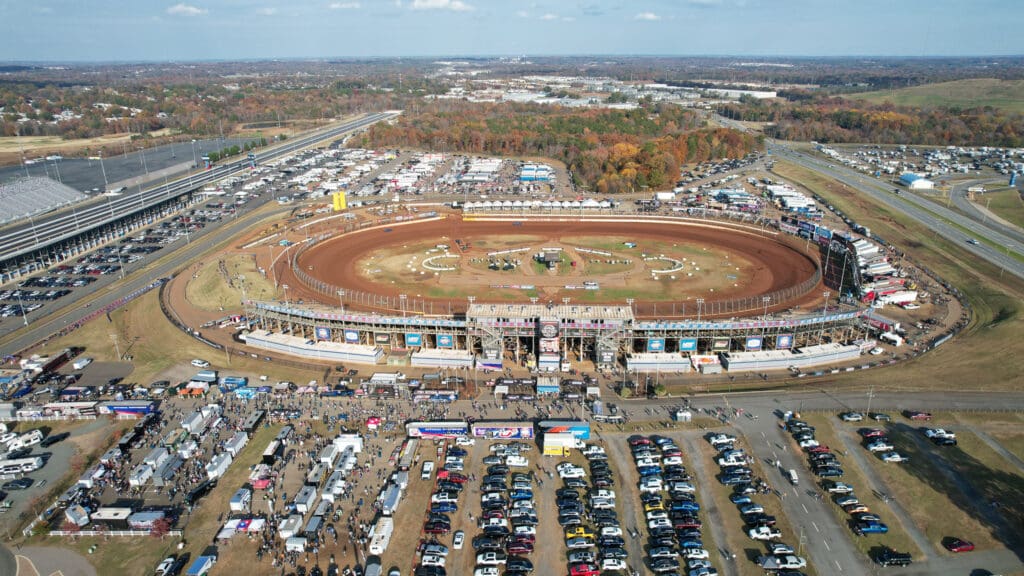
Located across Highway 29 from the Charlotte Motor Speedway oval, The Dirt Track at Charlotte is one of the country’s premier dirt-track racing destinations.
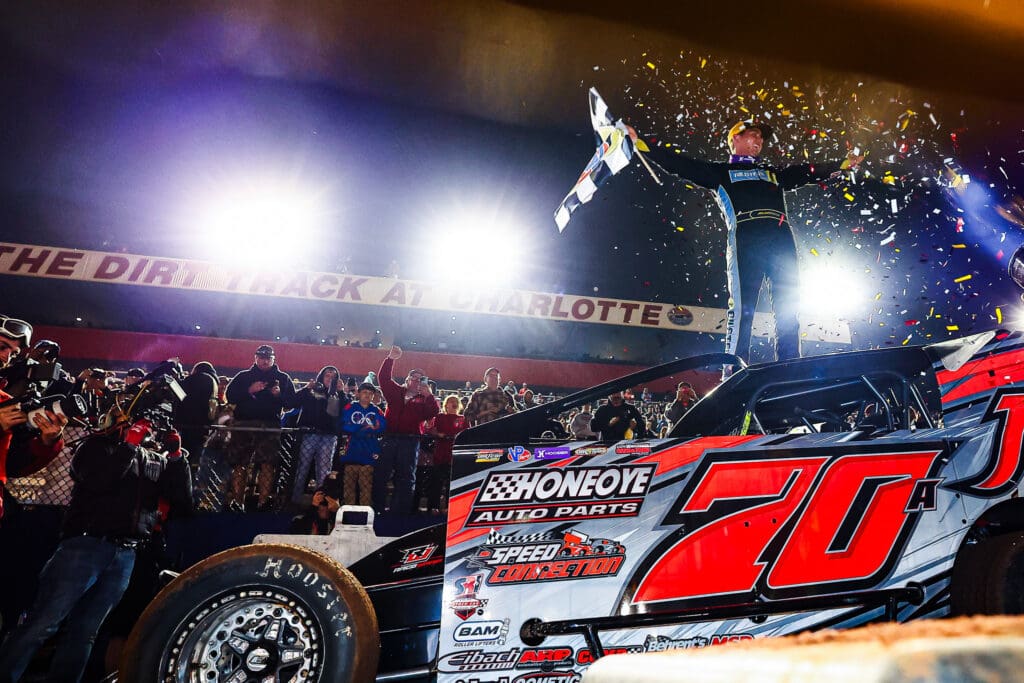
The upcoming World Short Track Championship brings together competitors from numerous grassroots racing divisions, including late models, modifieds, street stocks and compact classes. The event gives racers who compete at local and regional tracks throughout the year a chance to compete on a national stage, or, as the World Racing Group markets it, “Where Local Heroes Become World Champions.”
One week later, the World of Outlaws World Finals will bring three major racing series together for their season-ending championship events: the World of Outlaws Sprint Cars, World of Outlaws Late Models and Super DIRTcar Big-Block Modifieds. When all is said and done, names will be written into the history books as dirt-racing legends.
Since its introduction in 2007, the World Finals has become a cornerstone of the national dirt racing calendar, bringing together many of the sport’s leading competitors and organizations.
For the Concord-based World Racing Group, which operates the World of Outlaws and DIRTcar Racing, the two events represent a significant concentration of racing activity in North Carolina.
THE ECONOMIC VALUE EXTENDS BEYOND THE GRANDSTANDS
Major motorsports events generate economic activity that extends beyond the racing facility. Competitors and their teams travel with race cars, equipment, transporters, crew members and support personnel. Fans travel to attend the events, often spending multiple days in the region.
That activity creates opportunities for hotels, restaurants, retailers, transportation providers and other local businesses.
According to the Cabarrus County Convention & Visitors Bureau, 81 percent of World Finals and World Short Track Championship attendees come from out-of-state markets, and they typically stay longer and spend more in the area. Those attendees drive a 31 percent lift in spending in Cabarrus County compared to a typical weekend.
But dirt racing’s economic significance extends beyond event-related tourism. Behind the competitors is a network of manufacturers and suppliers producing engines, chassis, suspension components, tires, safety equipment, electronics and specialized racing parts.
Many of these businesses operate within North Carolina’s motorsports ecosystem, while others maintain important commercial relationships with racing organizations and customers based here.
Events like the World Short Track Championship and World Finals bring those businesses and their customers together, creating opportunities for networking, product exposure and commercial relationships.
The events also highlight the importance of grassroots motorsports, which support local tracks, independent race teams, small businesses and technical specialists nationwide. For North Carolina, attracting these events helps strengthen its position as a destination for multiple forms of motorsports competition and the businesses that support them.
A MODEL FOR NORTH CAROLINA’S SPORTS ECONOMY
The broader economic significance of motorsports was also a central theme of an October 20 discussion hosted by the NC Chamber’s Infrastructure & Supply Chain Council.
The discussion built on the NC Chamber Foundation’s report, North Carolina’s Sports Economy: From Cultural Identity to Competitiveness Asset, which examines how sports can contribute to the state’s long-term economic development.
NCMA participated in the discussion alongside representatives from professional sports organizations, economic-development agencies and other business leaders.
One key theme of the NC Chamber’s research is that sports can create value beyond ticket sales, tourism and entertainment. When connected to business development, workforce initiatives, manufacturing and infrastructure, sports organizations and facilities can become assets that strengthen a state’s broader economic competitiveness.
North Carolina motorsports provides a particularly compelling example.
The industry’s economic footprint includes 55 race tracks, race teams and sanctioning bodies, advanced manufacturers, engineering firms, technology companies, suppliers, educational institutions and specialized service providers. Many of those companies operate year-round, supporting employment, innovation and commercial activity that extends far beyond race weekends.
“We’re much more than a spectator sport,” said NCMA Executive Director Chad Willis. “We’re more of an economic development asset and a great example of a generations-long developed industry in this state.”
And while NASCAR represents a significant part of that ecosystem, dirt racing, drag racing, sports car competition, grassroots racing and other disciplines contribute to its overall strength.
CONNECTING EVENTS, BUSINESSES & ECONOMIC OPPORTUNITY
The NC Chamber’s research and World Racing Group’s upcoming events connect in a relevant way; the events show how North Carolina’s motorsports infrastructure can attract national competition and visitors while creating opportunities for industry businesses.
They also illustrate why economic-development discussions should consider the entire motorsports ecosystem.
A major race event is the most visible part of the industry, but the businesses that supply equipment, technology, services and technical expertise are equally important to its economic value.
For policymakers and economic-development professionals, understanding those relationships can help identify opportunities to recruit companies, support existing businesses, develop the workforce and strengthen North Carolina’s competitive advantages.
For the North Carolina Motorsports Association, connecting those elements is central to our mission. Through advocacy, networking, visibility and education, NCMA strengthens the business community that makes North Carolina the home of American motorsports.
That includes recognizing the contributions of organizations such as World Racing Group, whose events and racing properties connect competitors, suppliers, venues and businesses across multiple disciplines.
LOOKING BEYOND THE CHECKERED FLAG
As the World Short Track Championship and World of Outlaws World Finals bring national dirt-track racing to Concord, the action on the track will undoubtedly deliver plenty of excitement.
But the larger story is what these events represent. They showcase the depth and diversity of North Carolina’s motorsports industry, the strength of its racing infrastructure and the opportunities created when competition, tourism, manufacturing and business development intersect.
They also reinforce the importance of understanding motorsports as an economic asset, not simply a sporting attraction.
That perspective is particularly timely as North Carolina undertakes a new statewide motorsports economic impact and development study, which will update research last conducted more than two decades ago.
The study offers an opportunity to document the contributions of the entire motorsports ecosystem and identify initiatives that can support future investment, business recruitment and job creation. Events like those taking place in Concord over the next two weeks are an important part of that story.
Because in North Carolina, motorsports doesn’t just produce great racing.
It creates business opportunities, supports communities and helps drive an industry that contributes to the state’s economic future.
One Industry. One Voice. Where Motorsports Means Business.